Concentrate is not a serving size
This batch uses a fairly generous coffee-to-water ratio because you will dilute it after straining. Some water remains trapped in the grounds, so the final yield will be less than the 500 ml that went into the jar. Expect roughly three small servings, rather than trying to recover every last drop by squeezing the filter.
Coffee strength and caffeine content vary with the beans, grind and extraction. A smooth taste does not establish that a drink is low in caffeine. Treat cold brew as coffee, not flavoured water, and use a modest serving while you work out the dilution you enjoy.
Choose a coarse, even grind
Fine espresso grounds can produce a muddy liquid and block a paper filter. Coarse grounds are easier to strain cleanly, although they still need enough contact with water to extract flavour. If your grinder produces a mixture of dust and large fragments, a second gentle filtration can improve clarity.
Do not shake the jar repeatedly during the overnight steep. One thorough stir at the beginning is enough to wet the grounds. The important controls are a clean container, a covered fridge steep and a consistent measured batch, so you can adjust one thing next time rather than changing everything at once.
What to adjust next time
If the strained coffee tastes flat after dilution, try a little less water in the serving glass before increasing the brewing time. If it tastes unpleasantly woody or harsh, shorten the next steep or try a different coffee. A longer steep does not automatically create a better concentrate.
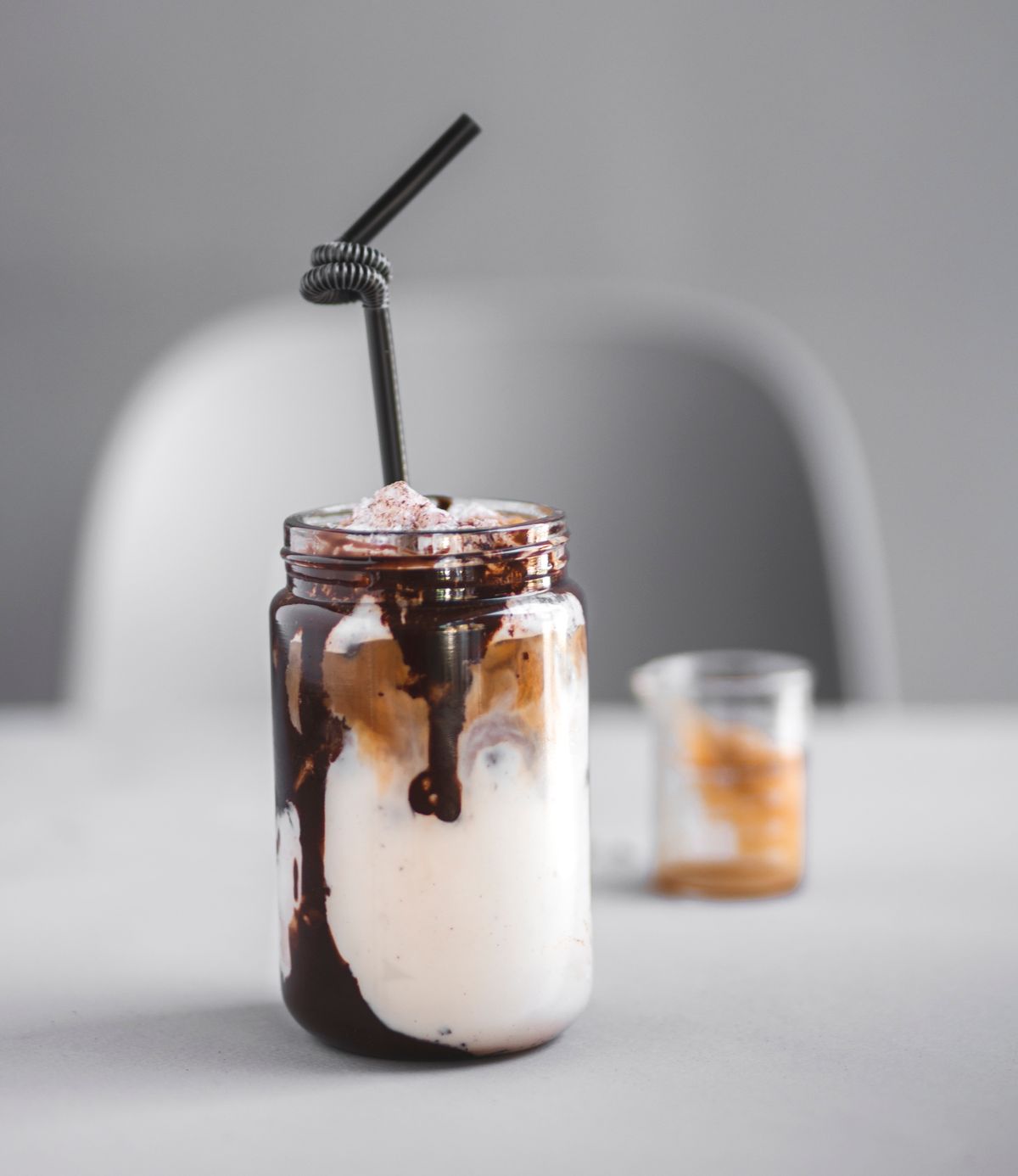
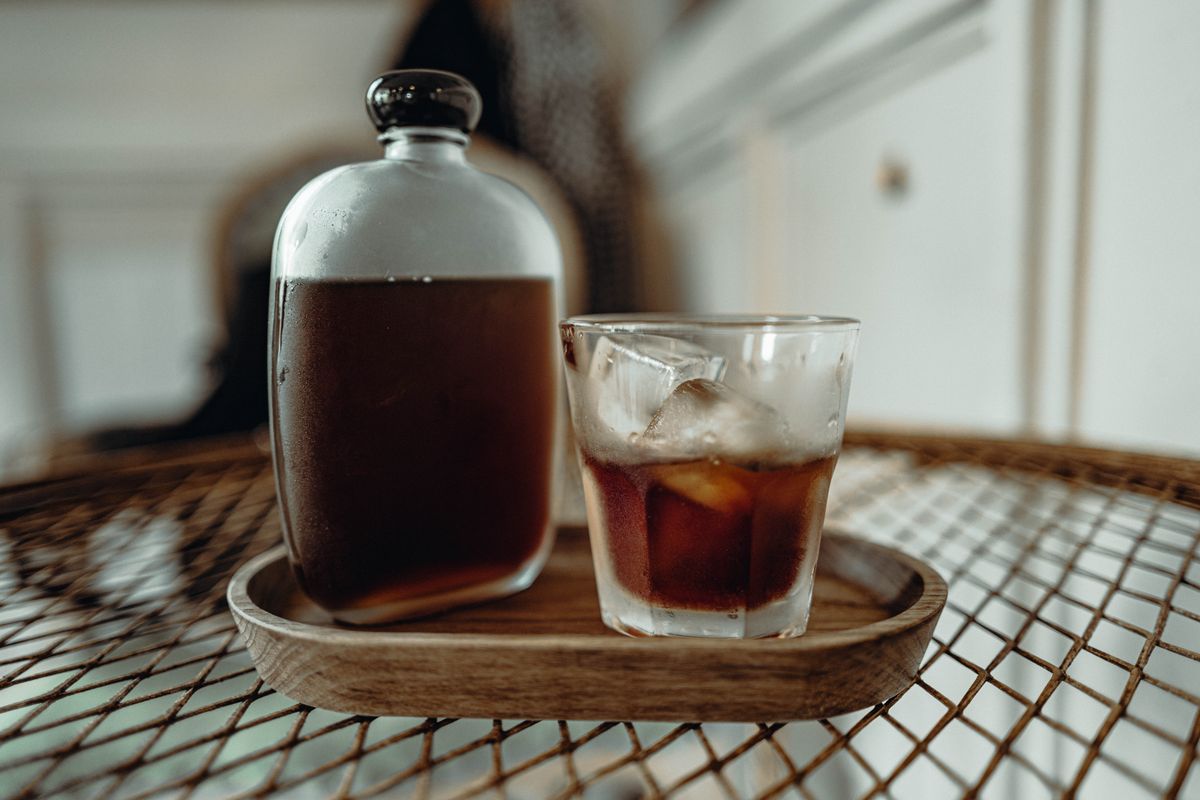
This is a still cold brew, not a nitro coffee. Pouring vigorously can create temporary bubbles, but it will not reproduce the texture of pressurised nitrogen equipment. A clean black drink over ice is a good way to judge the batch before adding milk or syrup.
What you'll need
- 60 g coarsely ground coffee
- 500 ml cold drinking water
- Ice and extra cold water or milk, for serving
Let's make it
- Put the coffee in a clean lidded jar with at least 750 ml capacity. Pour in the water and stir gently until all the grounds are wet. Cover and refrigerate for 12 hours.
- Set a fine sieve over a jug and line it with a rinsed paper coffee filter. Pour the coffee through slowly. Let gravity do the work; do not squeeze the wet grounds or force sediment through the filter.
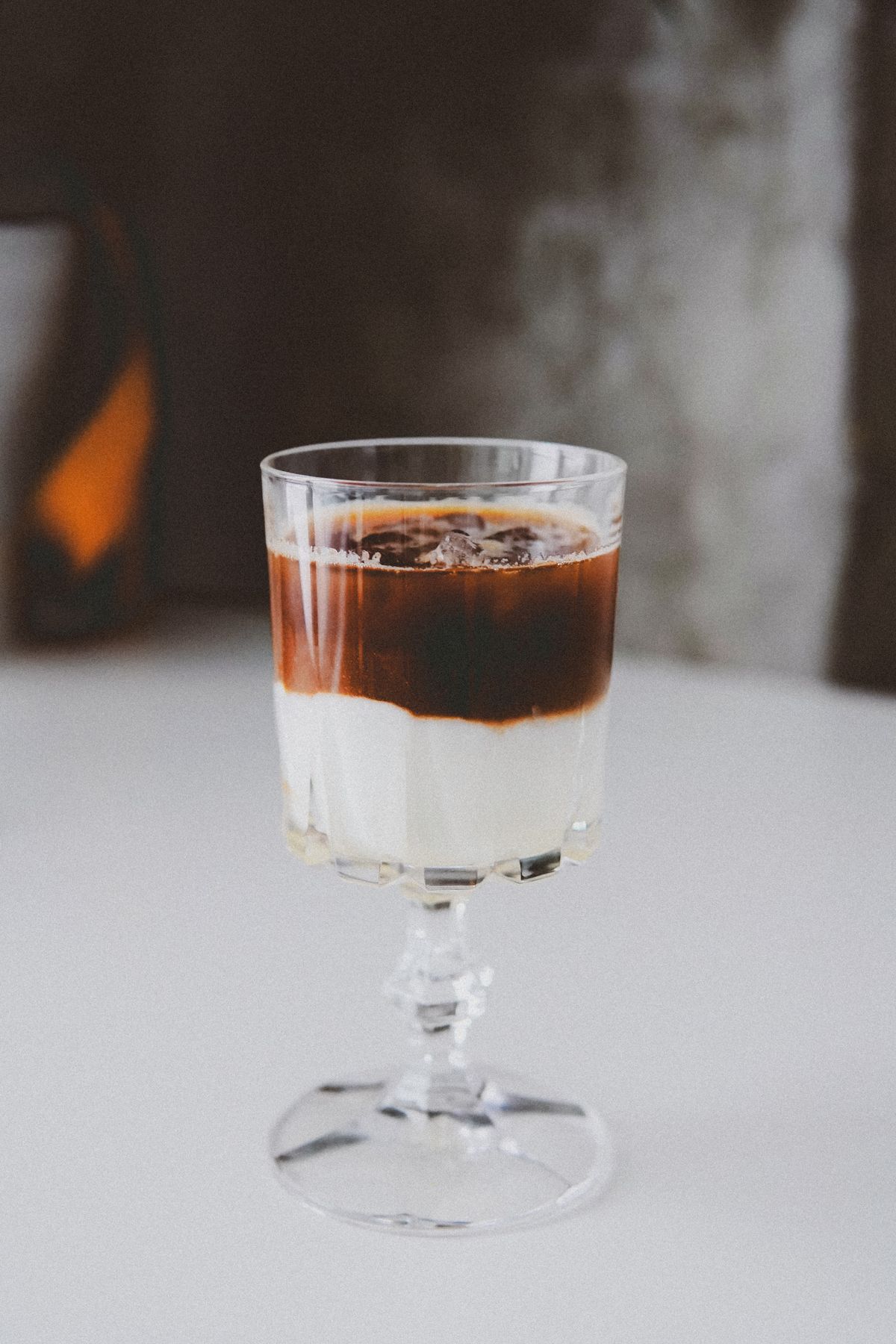
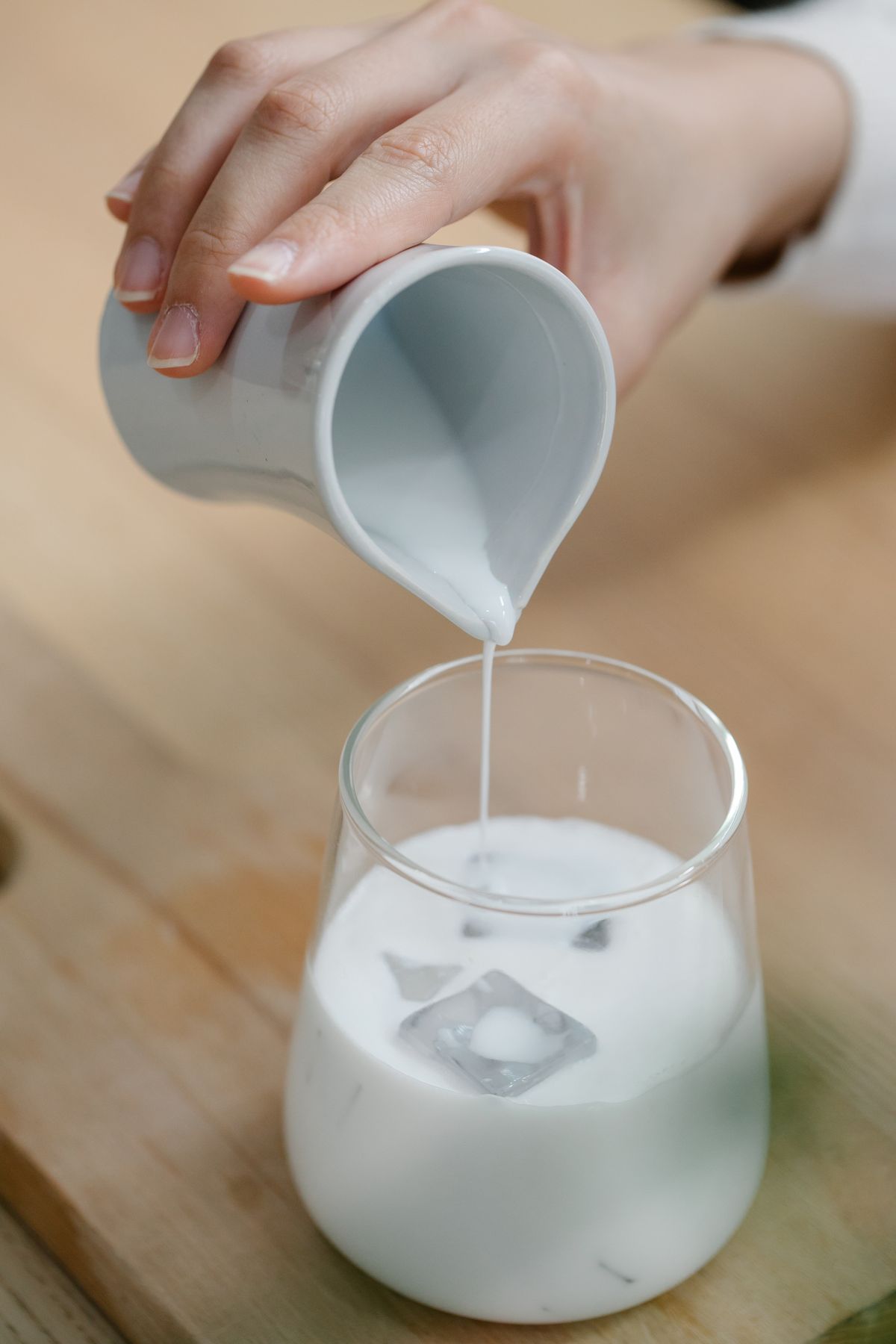
- Taste a small amount. For each serving, start with 100 ml concentrate and 50 ml cold water or milk, then add more diluting liquid if needed. Pour over fresh ice.
Make it your own
Use decaffeinated beans if preferred, while remembering that decaffeinated coffee can still contain some caffeine.
Dilute with cold water for a black drink or cold milk for a softer finish; neither is required during brewing.
Keeping it fresh
Keep the strained coffee covered in the fridge at 5°C or below and use within 48 hours for this small home batch. Clean the jar before making another batch; do not top up old coffee with new coffee. Add milk only to the portion you are about to serve.
Allergen notes
The black coffee has no milk ingredient. Check any milk, plant drink or flavoured syrup added when serving.