The fridge performs the transformation
An icebox cake relies on moisture moving from the cream into dry biscuits. Over several hours, the biscuits become soft enough to slice and the layers settle into a cake-like dessert. It is not baked and should not be described as a baked sponge.
Overnight chilling is part of the method, not an optional delay. A freshly assembled version will still contain crisp biscuit layers that slide when cut. The minimum time depends on the thickness and absorbency of the biscuits.
Use a biscuit that fits the format
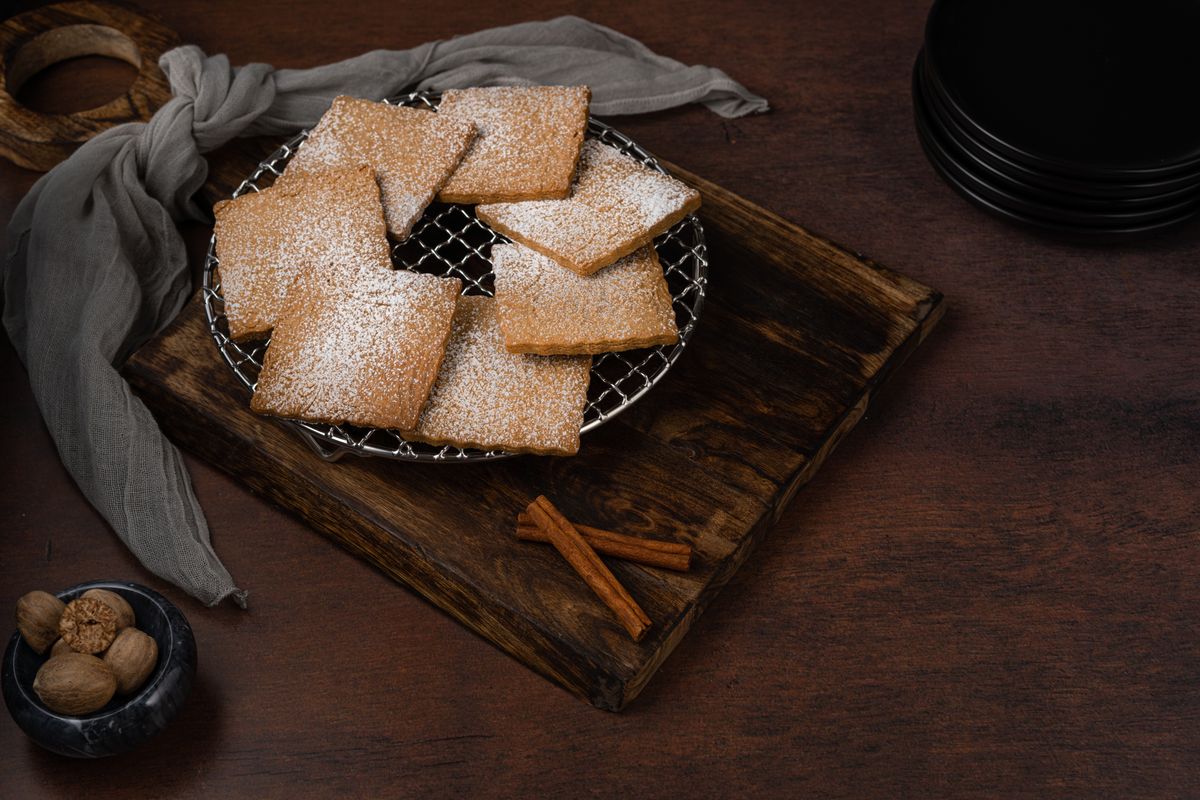
Plain rectangular tea biscuits are convenient in a loaf tin because they form close layers with little waste. Round biscuits can work, but the gaps need smaller broken pieces. Avoid thick filled biscuits, which create uneven layers and add substantial sweetness.
Brush with a little milk rather than dipping until saturated. The cream mixture supplies more moisture during chilling. Over-soaked biscuits can collapse into a paste and make the cake difficult to lift cleanly.
Keep the cream flexible
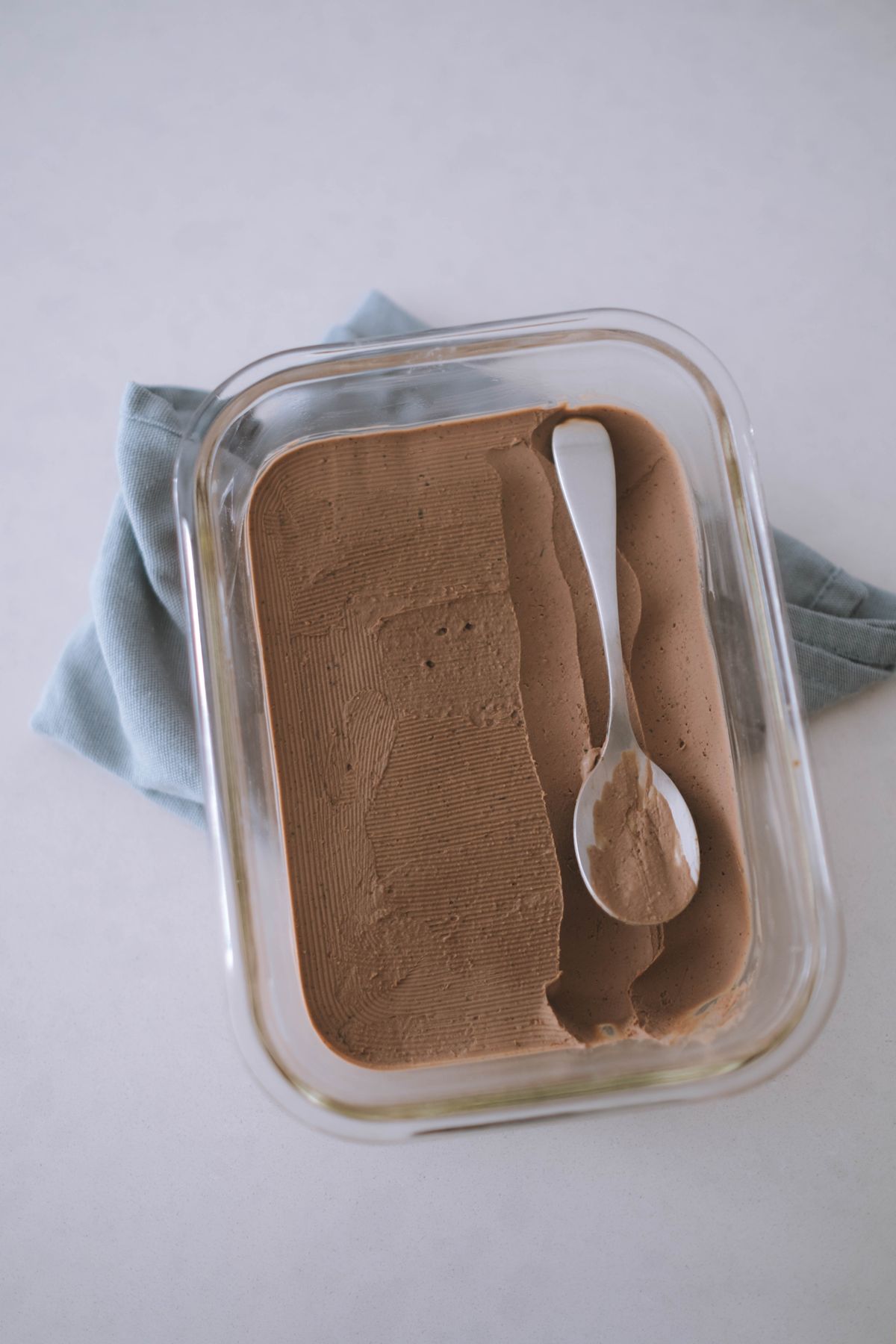
Softly whipped cream folds into yoghurt more smoothly than very stiff cream. The yoghurt adds tang and lightens the flavour, while cocoa turns the surrounding layers chocolatey. Sifting cocoa and icing sugar prevents small dry pockets.
Fold with a spatula, reaching the bottom of the bowl. Stop when the colour is even. Beating the combined mixture vigorously can remove air and make it runnier rather than more stable.
Build shallow, even layers
A thin cream layer at the bottom helps hold the first biscuits in place. Spread filling to the edges before adding the next layer so there are no dry corners. Break biscuits deliberately rather than forcing a full one into a space that is too small.
Keep the final layer level, cover without pressing heavily on the surface and place the tin flat in the fridge. A tilted tin can set with cream gathered at one end, which becomes obvious when sliced.
Slice and serve cold
The chilled cake is soft rather than rigid. Lift with the lining, support the base and use a clean knife. Wiping the blade between cuts helps show the layers without dragging chocolate cream across each face.
Small slices work well because the dessert contains cream and biscuits throughout. Add grated chocolate only at serving if you want a dry finish, and keep the remaining cake refrigerated rather than leaving it on the table through a long meal.
What you'll need
- 300 ml cold double cream
- 200 g thick Greek-style yoghurt
- 35 g icing sugar, sifted
- 15 g unsweetened cocoa, sifted
- 200 g plain rectangular tea biscuits
- 60 ml cold milk for brushing
- 10 g dark chocolate, grated, optional
Let's make it
- Line a small loaf tin with food-safe cling film or baking paper, leaving enough overhang to lift the cake. Check that the lining is suitable for chilled food use.
- Mix yoghurt, icing sugar and cocoa until smooth. Whip the cold cream separately to soft peaks, then fold gently into the cocoa yoghurt.
- Spread a thin layer of cream mixture in the tin. Brush biscuits lightly with milk and arrange one close-fitting layer, breaking a few pieces to fill gaps.
- Spread another layer of cocoa cream, then repeat biscuits and cream, finishing with cream. Use milk sparingly; the biscuits should not be soaked until collapsing.
- Cover and refrigerate at 5°C or below for at least 8 hours, preferably overnight, until the biscuits soften and the layers hold together.
- Lift out carefully, add optional grated chocolate and slice with a clean knife, wiping between cuts.
Make it your own
Plain cocoa biscuits create darker layers, but taste the cream mixture before adding extra cocoa.
A square chilled dish can replace the loaf tin; spoon portions instead of lifting if easier.
Keeping it fresh
Keep covered in the fridge at 5°C or below and eat within 48 hours of preparation, or sooner if any ingredient's use-by instructions require it.
This is a chilled dessert, not a shelf-stable cake. Keep serving periods short and return the unserved portion promptly.
Allergen notes
Contains milk and wheat/gluten; biscuits may contain egg or soya. Check all ingredient labels.