Begin with the machine, not a universal rule
An upright jug blender usually benefits from liquid entering first, followed by softer ingredients and then the more solid pieces. The liquid gives the blades something to move immediately, while the soft layer helps carry the heavier ingredients into circulation. That is a useful starting point for a milkshake, not permission to ignore the instructions supplied with your particular appliance.
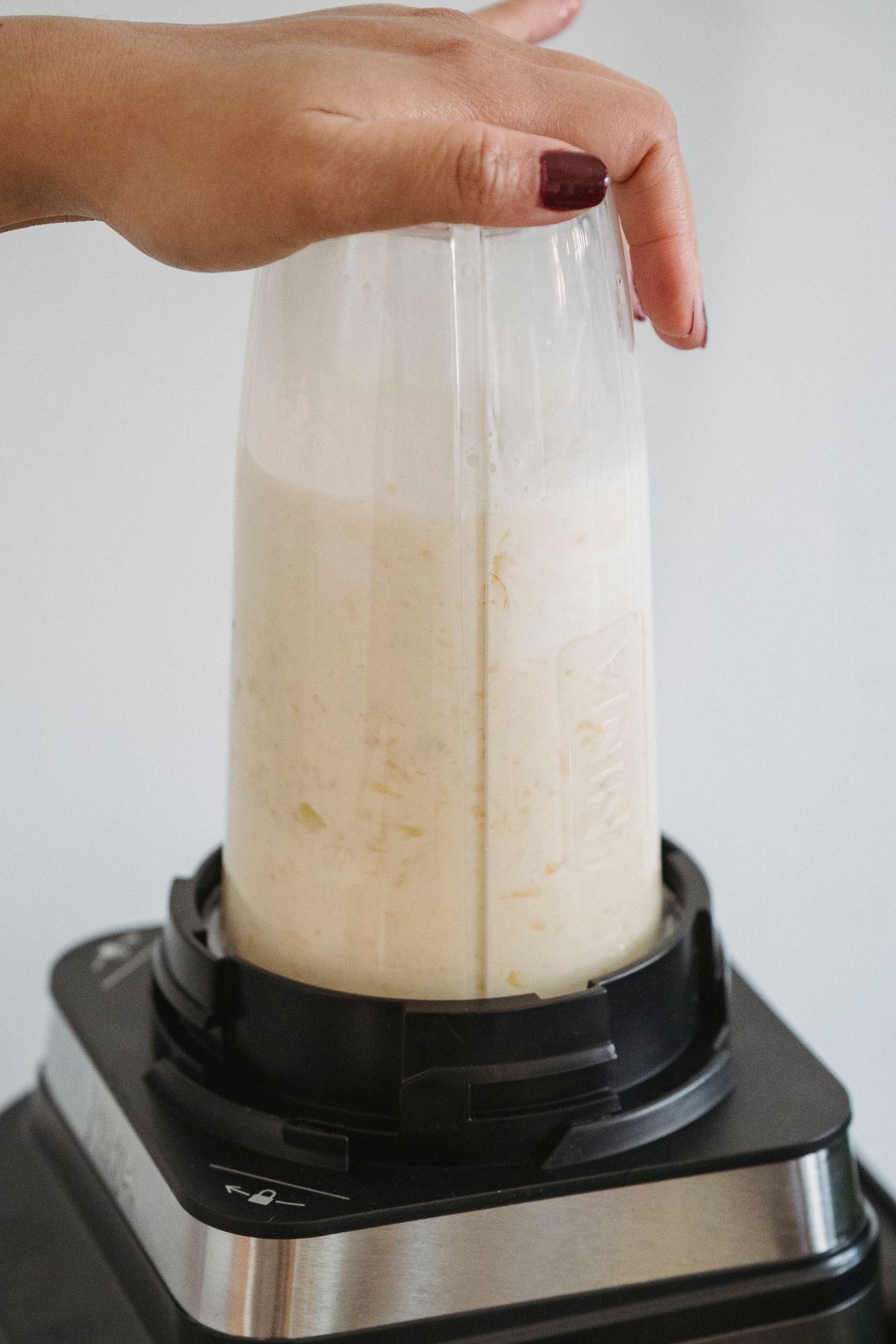
A personal cup that screws onto a blade unit is different. The cup is inverted for blending, so the order you put ingredients into it may be the reverse of an upright jug. Some manufacturers print a fill line or a loading sequence on the cup. Follow that guidance, especially where frozen fruit and thick mixtures are concerned.
A practical order for an upright jug
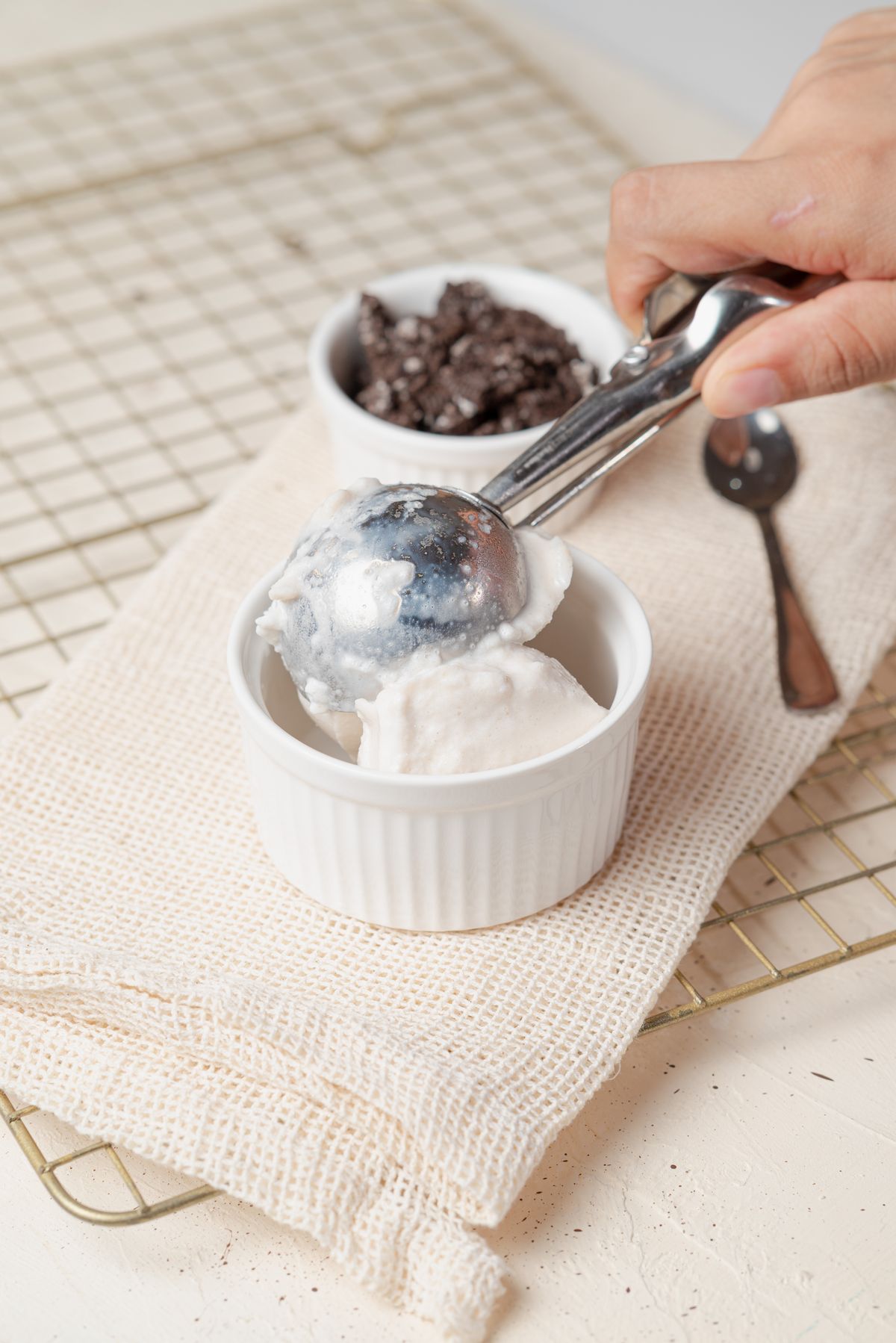
Measure the cold milk or plant drink into the empty jug. Stir any soluble flavouring, such as a cooled coffee concentrate, into this liquid before adding bulky ingredients. Follow with a soft banana, yoghurt or a smooth nut butter if the recipe uses one. Place scoopable ice cream on top in several smaller scoops instead of dropping in one hard block.
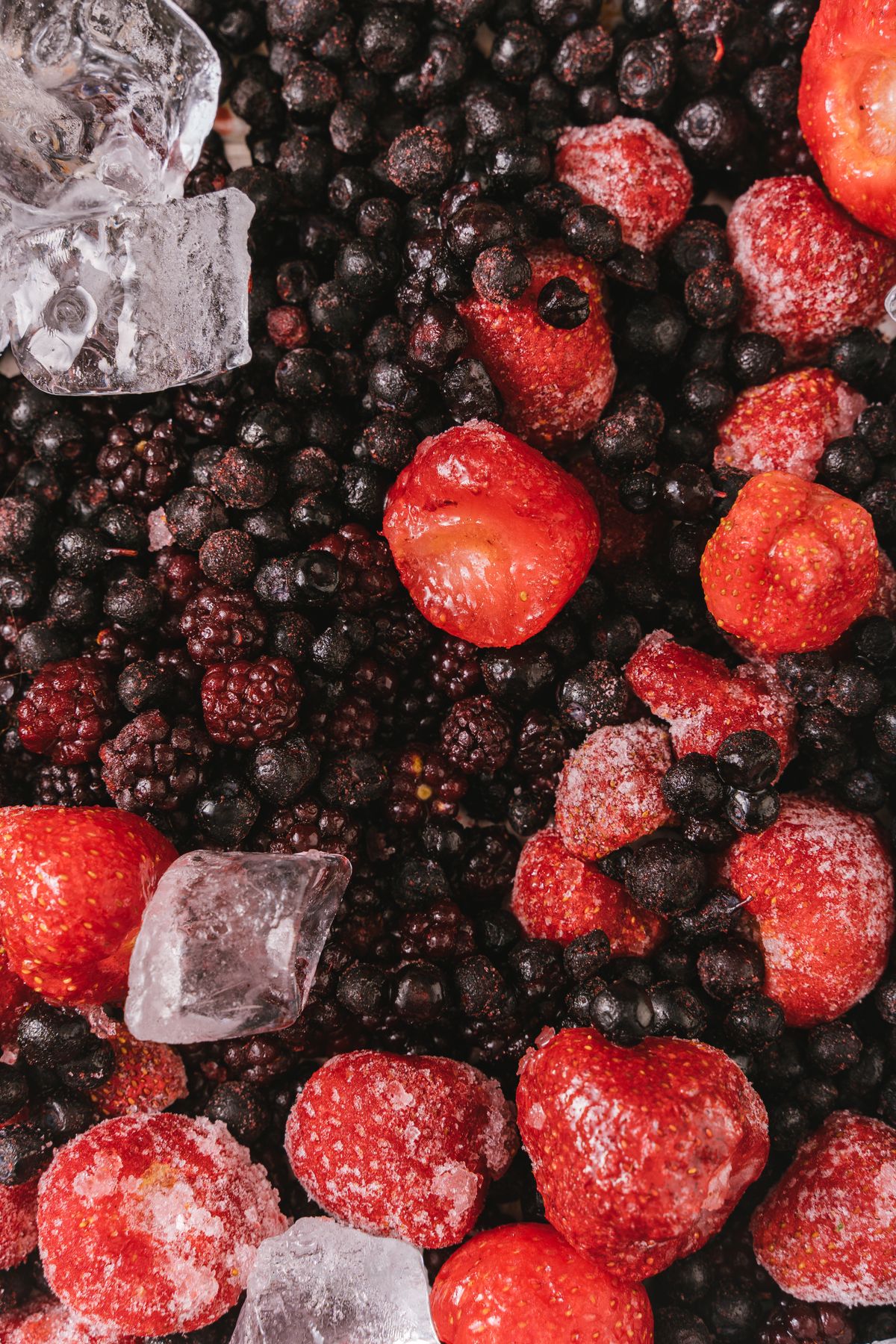
Small frozen fruit pieces come last only if the machine is designed to process them. For a modest blender, letting the fruit soften slightly or choosing chilled fresh fruit can be more effective than changing the loading order. Do not push a spoon through the lid while the motor runs. A manufacturer's purpose-made tamper is the only tool that should enter during blending, and only as the manual permits.
Watch the movement inside the jug
Start with short pulses or a low setting where the manual allows it. The useful sign is ingredients moving down through the centre and coming back up around the sides. If the blades spin in an empty pocket while a frozen mass sits above them, a higher speed may simply make more noise. Stop, switch off and unplug the appliance before scraping or redistributing the mixture.
Add a small measured splash of liquid only after checking that the ingredients are not wedged together. A tablespoon can make the difference between a flowing mixture and a stalled one. Pouring in half a glass at once might get the blades moving, but it also changes the drink into something much thinner than the recipe intended.
Powders and crumbs need their own treatment
Cocoa can float as a dry raft on milk and stick to the sides of the jug. Make it into a smooth paste with a spoonful of the recipe's liquid first, then loosen the paste before adding the ice cream. Malted powder is also easier to distribute when there is enough liquid around it. Check the product directions rather than assuming every powder behaves like instant cocoa.
Biscuit crumbs, grated chocolate and other ingredients intended to provide texture often belong at the end. Blend the smooth base first, then pulse the crumbs briefly or fold them in by hand. Running them with the base for too long removes the contrast and can make a starchy mixture feel pasty.
Leave room to circulate
A jug filled to its maximum line with thick ingredients has little room for movement, even if each ingredient is individually easy to blend. That line is a limit, not a target. Split a large recipe into smaller batches and keep the remaining ingredients cold. For a two-serving shake, a jug with enough working room is usually more convenient than a cup packed tightly to the brim.
Never blend hot syrup or hot coffee in a sealed cup. Cool these additions completely before they join a cold milkshake. Hot ingredients melt the frozen base and can create a pressure hazard in equipment not designed for them.