Check the texture before correcting it
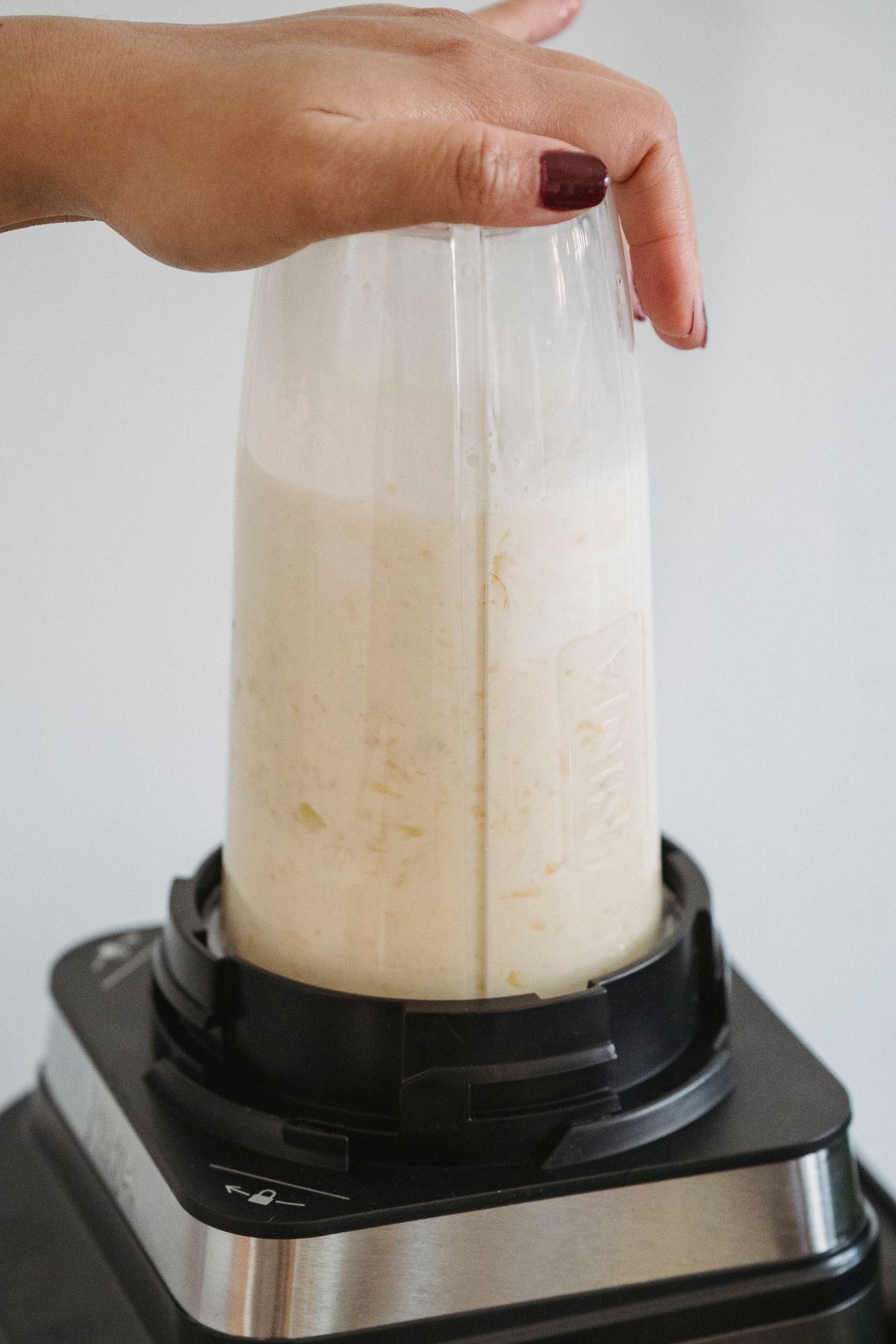
Stop the blender and look at the mixture with a spoon. A shake that will not move around the blades is not necessarily too thick to serve; it may contain a hard block of ice cream wedged above them. Conversely, a tall layer of foam can hide a thin liquid underneath. Examine the whole mixture rather than judging only its surface.
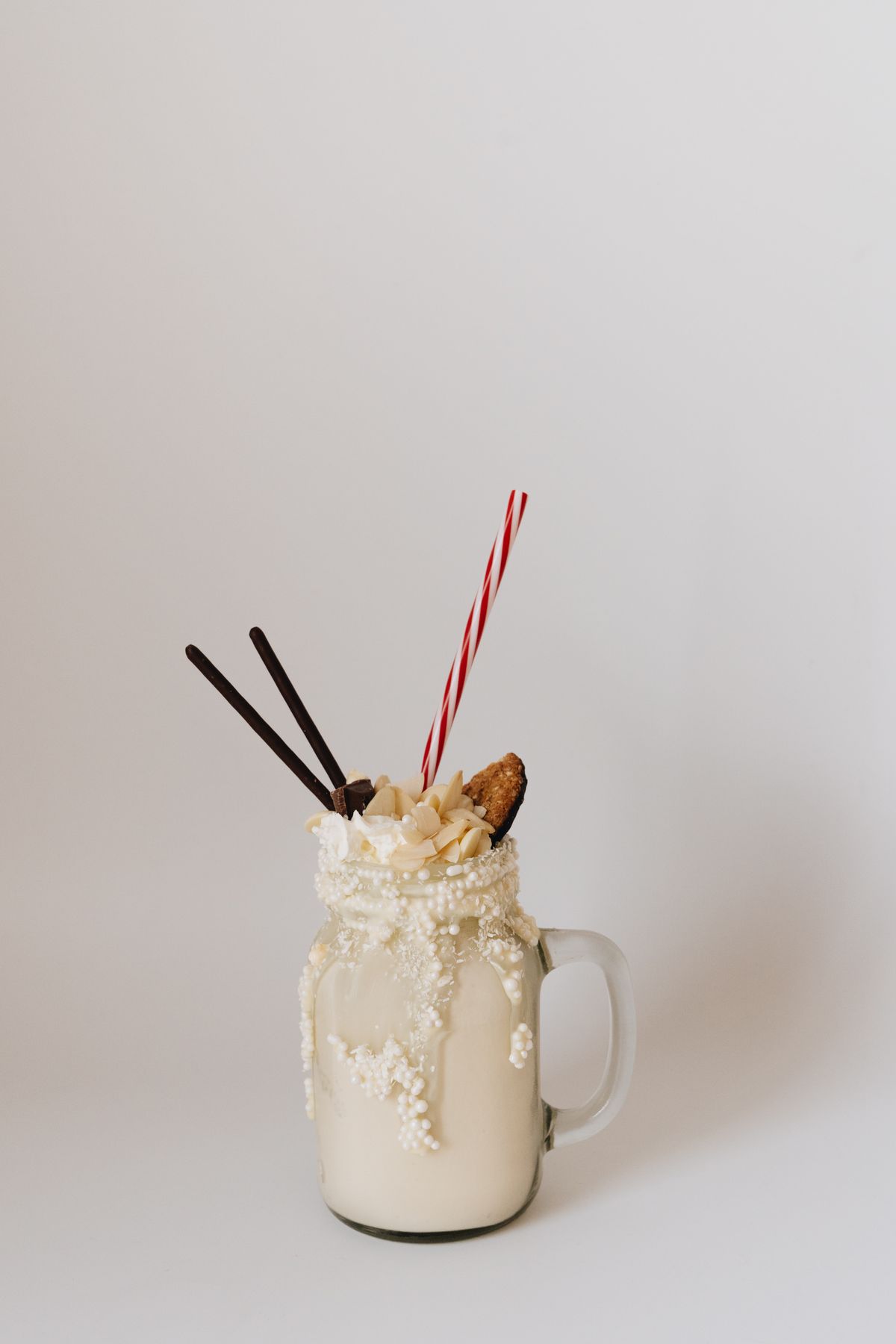
The intended serving matters too. A spoonable dessert shake and a drink for a narrow straw require different textures. Decide which you want before treating every thick result as a mistake.
When the shake is too thick
For an evenly blended but overly thick shake, add cold milk one tablespoon at a time. Pulse briefly, then check again. Small additions let you stop at a useful point without overshooting into a thin drink.
If the mixture is not circulating at all, switch off and unplug before redistributing the ingredients. Let hard frozen pieces soften slightly where appropriate. Do not keep a stalled motor running or reach into the jug with a spoon while it is switched on.
When the shake is too thin
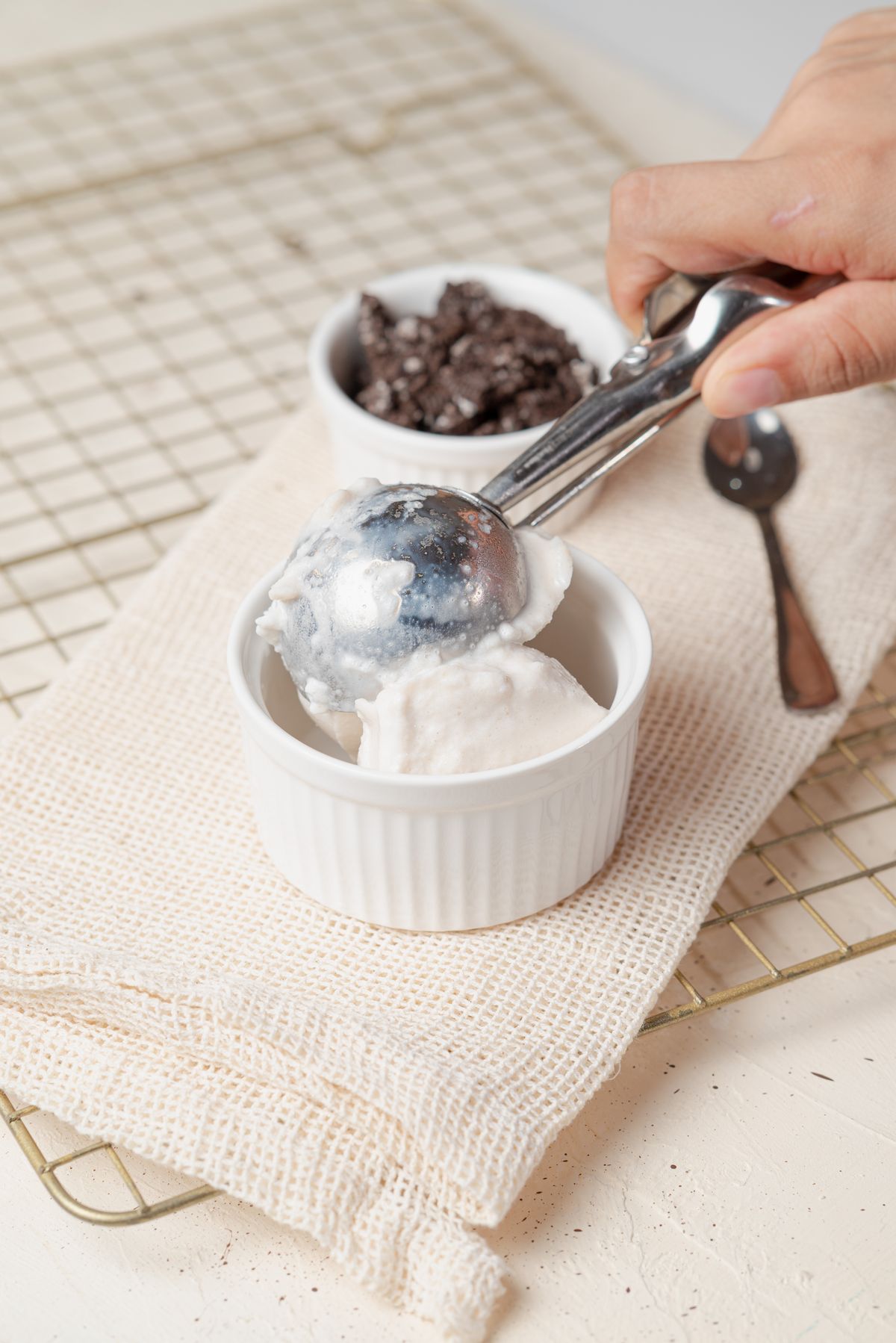
Add a small scoop of the same ice cream and pulse only until incorporated. This increases the frozen base without changing the flavour as much as adding an unrelated ingredient. It also increases the number of servings, so use a larger container or remove a portion if the jug is near its fill limit.
If the original ice cream has already melted, another long blend will not restore it. Start with cold ingredients and reduce the blending time on the next batch. Chilling a finished thin shake in the fridge makes it cold but does not recreate the original frozen structure.
Avoid the automatic ice-cube fix
Ice can make a drink colder, but it adds water as it melts and can leave hard chips in a modest blender. It is not a neutral thickener. Use it only in a recipe designed around ice and only with equipment rated to crush it.
Banana, oats and nut butter also thicken drinks, but each changes flavour and texture. They are useful recipe ingredients rather than invisible repairs. Adding them to a vanilla shake creates a different drink, sometimes with additional allergens.
Notice what the ingredients contribute
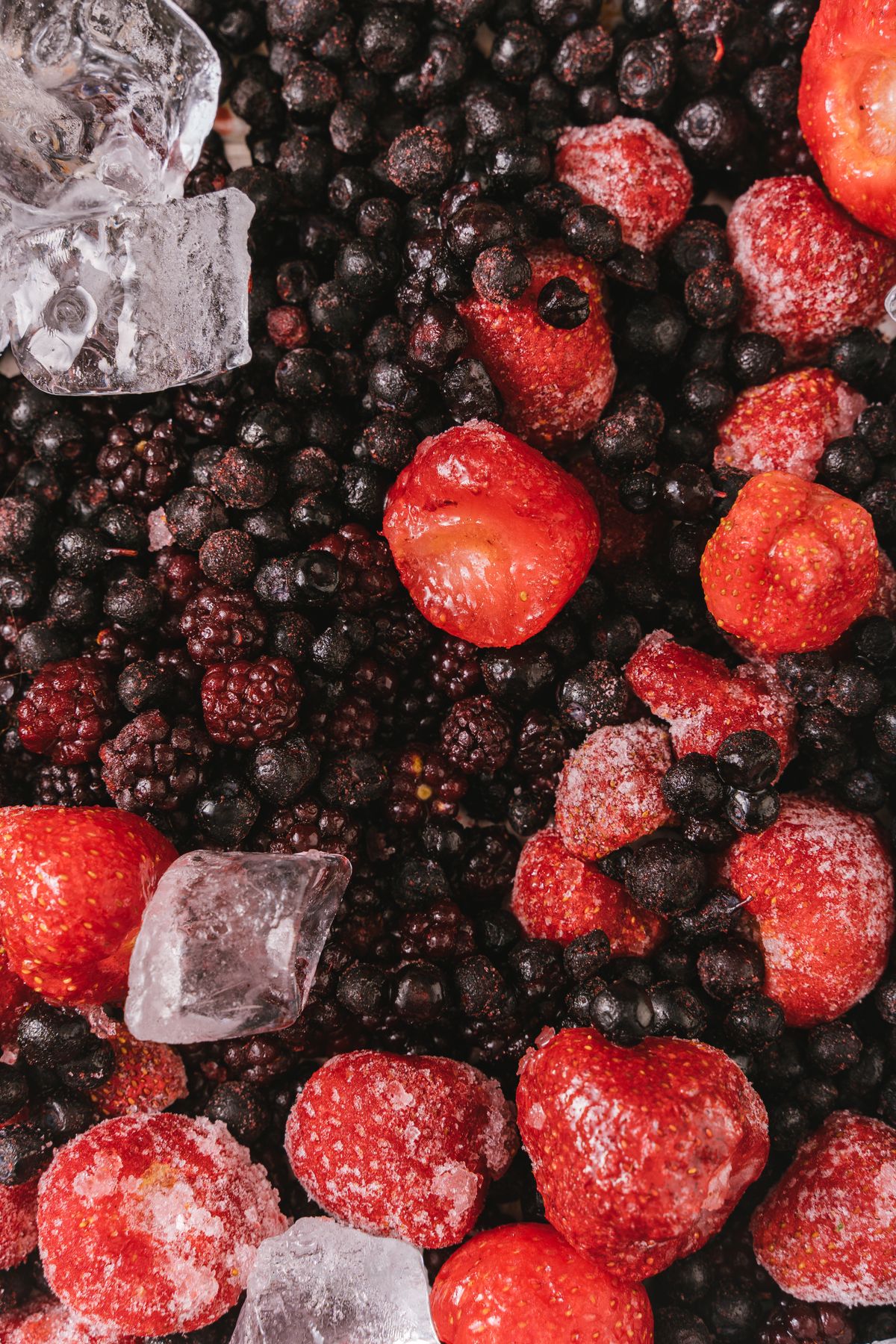
Fruit adds both solids and water. Strawberries often loosen a base more than banana does, while biscuit crumbs may absorb liquid and make the drink thicker after serving. That means an immediate adjustment is not always the final texture.
Ice cream brands differ in air content, fat and stabilisers. A fixed scoop volume is less consistent than a measured weight, but even equal weights can produce different results. Keep a note of the milk quantity that worked with the tub you actually use.
Make one change at a time
Changing the milk, ice cream and fruit quantities simultaneously makes it hard to learn what helped. On the next batch, keep two constant and adjust the third. A measured tablespoon is a more useful experiment than an unrecorded splash.
The most reliable sequence is to start slightly thick, blend briefly, and loosen gradually. It is easier to add a small amount of milk than to rebuild a cold, structured shake after too much liquid has gone in.