Look for a physical cue
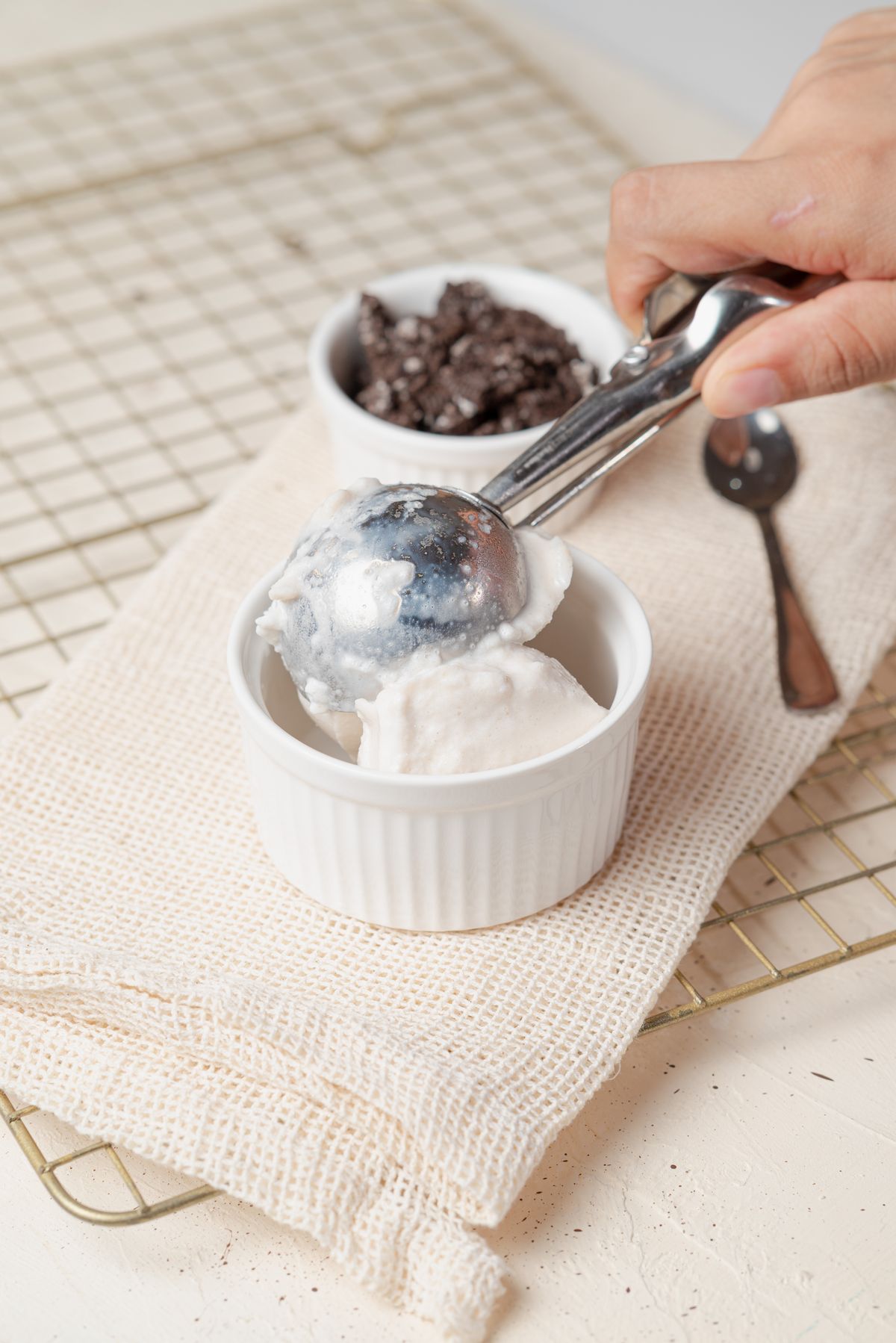
Useful softening means a spoon can enter the ice cream with modest pressure while the portion still holds its shape. You do not need liquid pooling around the bowl. That cue is more reliable than a fixed number of minutes because freezer temperature, portion size and the recipe of the ice cream all vary.
A small scoop on a plate softens faster than a full tub. The same waiting time in a warm kitchen can produce a very different result from a cool room, so stay nearby and check it.
Portion first when possible
If the ice cream is firm but scoopable, measure the amount you need into a bowl and return the tub to the freezer immediately. This avoids repeatedly warming the entire container every time you make a drink.
If the whole tub is too hard to scoop, give it only enough time to become workable, then take the portion and return the rest promptly. Do not leave the tub on the counter through the whole preparation and serving process.
Why rock-hard blocks are awkward
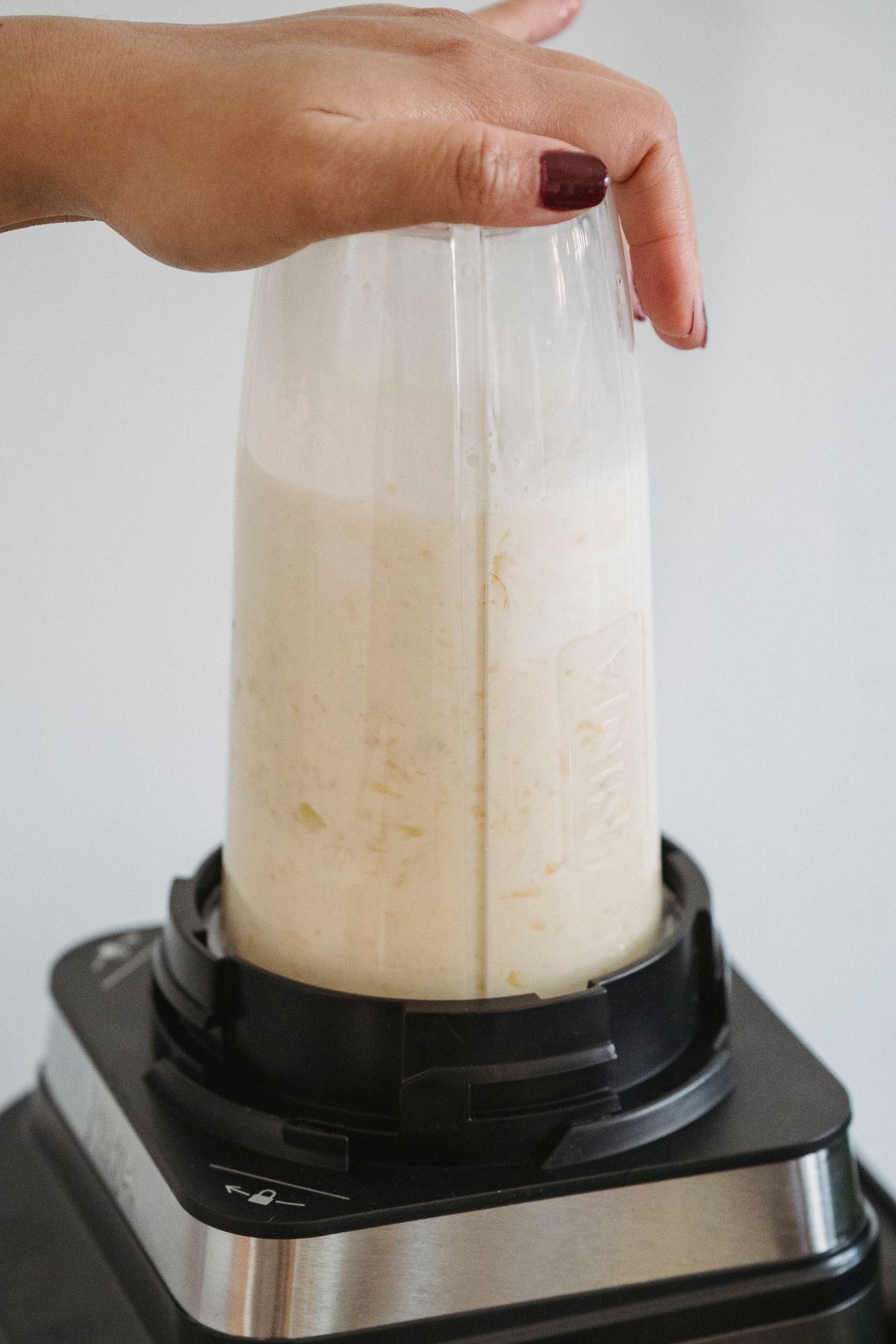
A blender needs ingredients to move towards the blades. One hard block can sit above them while they spin through an air pocket. Smaller scoops expose more edges, fit around one another and break down more easily.
The temptation is to add a large quantity of milk to force movement. That can work mechanically but changes the intended ratio. Slight softening and smaller pieces often solve the problem without turning a thick shake into a thin one.
Do not use heat as a shortcut
Microwaving ice cream can create melted patches around still-hard areas. Those patches dilute the frozen structure while the hard centre still challenges the blender. It is difficult to control for a small milkshake portion.
A hot spoon can help scoop a firm tub, but dry it before it touches the ice cream so you do not introduce extra water. Never force a knife through a hard tub or lever against a fragile container.
Different frozen desserts behave differently
Dense dairy ice cream, aerated supermarket ice cream and plant-based frozen desserts do not soften at identical rates. Some plant-based products become crumbly before they become smooth; others soften quickly around the edges.
Treat the first batch with a new product as a small adjustment exercise. Keep the milk cold and measured, and use the same scoopable cue rather than assuming the previous brand's waiting time applies.
Keep texture and safe handling separate
Softening for a few minutes to prepare a drink is not the same as leaving a tub to melt and refreezing it. Follow the product's handling instructions and do not return a melted shake to the original container.
Prepare glasses and flavourings before taking the frozen ingredient out. A short, organised sequence protects the desired texture more effectively than rushing to decorate the drink while the ice cream waits on a warm counter.
What to do if it has gone too far
If the measured portion has become largely liquid, pause before trying to rescue the original recipe. It can make a thinner cold drink, but adding the same full quantity of milk will exaggerate that change. For a thick shake, begin again with a fresh frozen portion and keep the melted portion separate only if it has been handled safely and the product's directions allow it.
Do not judge safe handling from texture alone. Ice cream can be soft because it has just warmed slightly or because it has been left out much longer; those are different situations. Keep the preparation short and organised rather than using melting as the intended way to measure the liquid.