Fruit is part of the liquid balance
Fresh fruit brings water as well as flavour, fibre and sweetness. When a blender breaks its structure, some of that water becomes part of the surrounding drink. A recipe that works for banana may become loose when the same weight of strawberries is substituted.
Think of the milk quantity as a starting point that belongs to a particular fruit. It is not a universal amount for every flavour. Begin with less when the fruit is juicy, then add small amounts only if the mixture needs help circulating.
Prepare the fruit consistently
Wash fruit where appropriate and drain or pat it dry before weighing. Water left clinging to berries contributes more liquid without adding flavour. Remove peel, stones, stalks and other inedible parts before measuring the prepared weight.
Canned fruit should be drained if the recipe specifies fruit rather than fruit in syrup. Adding the packing liquid changes both sweetness and dilution. If you want to use some of it, measure it and replace part of the milk rather than adding it on top.
Banana behaves differently from berries
Banana contributes a relatively dense purée that often gives a shake body. Berries can contribute more obvious juice and, depending on the fruit, seeds or skins. That does not make one better; they simply need different ratios.
Adding banana to every loose fruit shake solves thickness by changing flavour. If you want the original fruit to remain clear, first reduce added milk or increase the frozen base modestly rather than introducing a dominant second fruit.
Frozen fruit is not a permanent thickener
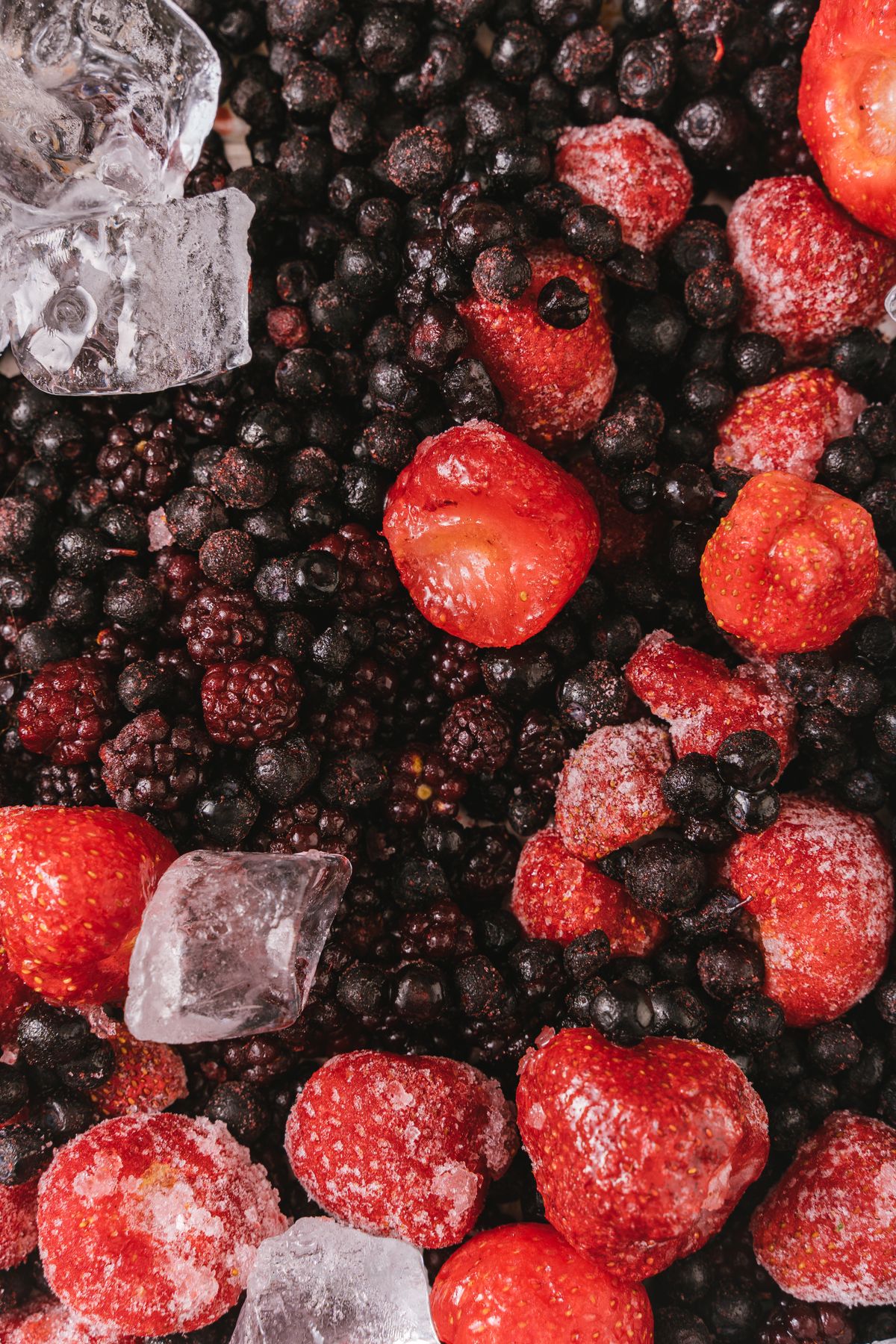
Frozen pieces add cold mass and can make the initial drink thicker. As they warm, their water remains in the mixture. The shake may still loosen substantially after standing, especially if it contains a lot of milk.
Use only fruit suitable for the preparation method stated on its packet. Some frozen fruit products require cooking. Complete that instruction and cool the fruit before blending rather than assuming that freezing makes every product ready to eat.
A compote changes flavour as well as water
Cooking fruit briefly can release juice and soften skins. Reducing it further removes some water but concentrates sweetness and produces a cooked flavour. A blueberry compote and raw blueberry purée are therefore not interchangeable in taste.
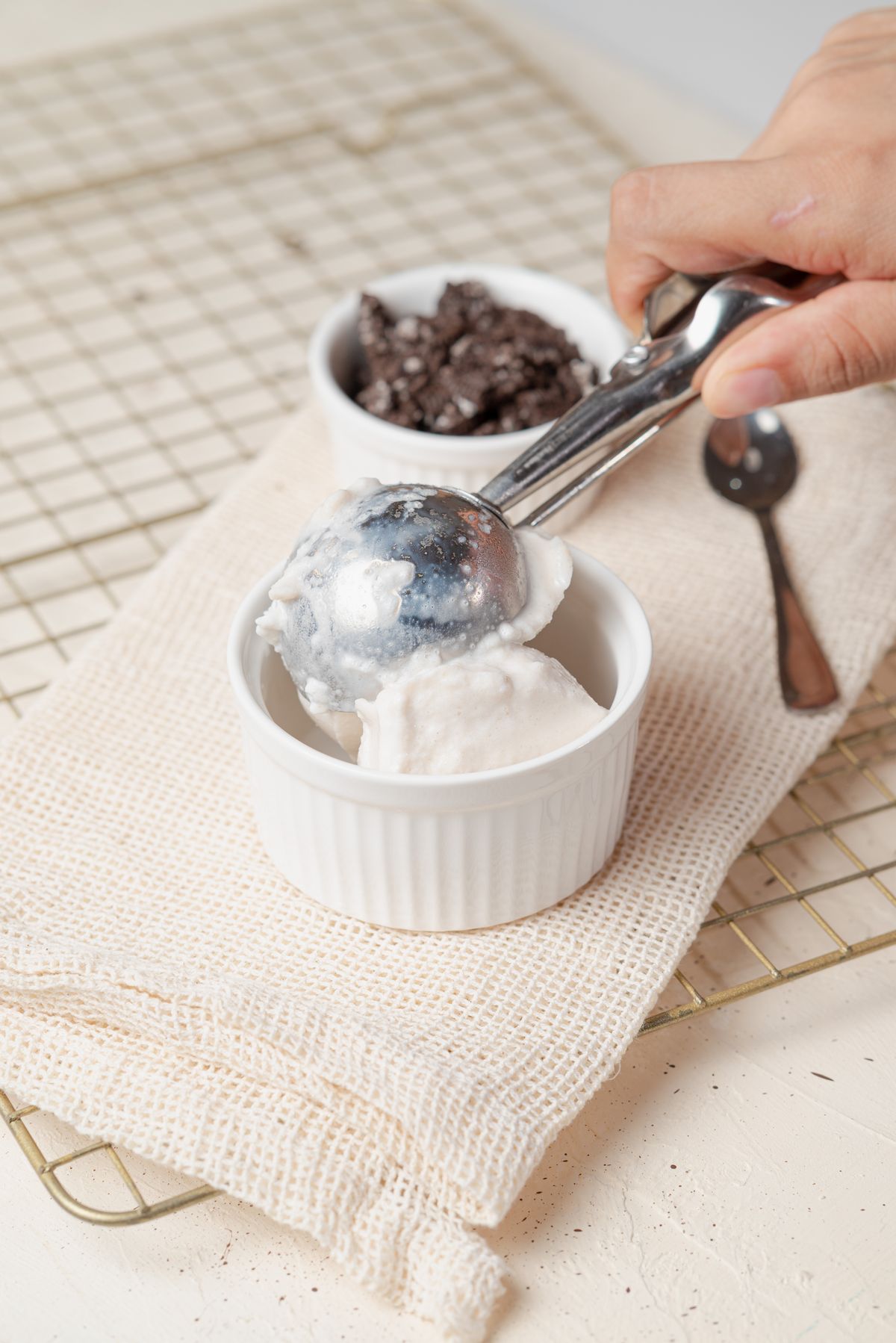
Cool cooked fruit completely before it meets ice cream. Warm fruit melts the frozen base and defeats the intended thickening. Prepare a small compote ahead if you need it, then refrigerate it promptly in a covered container.
Build a useful testing habit
Weigh prepared fruit, measure the starting milk, and keep the first blend short. Taste before adding sugar because ripe fruit and ice cream already contribute sweetness. Then make a single small liquid adjustment.
The goal is not to remove all variation from fresh produce. It is to recognise whether the fruit needs more liquid, less liquid or a different preparation stage. Those decisions produce a better drink than repeatedly blending the same watery mixture.
A simple comparison for your next batch
If a strawberry shake was too loose, keep the fruit and ice cream weights unchanged next time and reduce the starting milk by 30 ml. Blend, then add a tablespoon at a time until it pours as you like. That small controlled change tells you more than simultaneously adding banana, oats and another scoop of ice cream.
Record the fruit's preparation as well as its weight. Raw berries, thawed berries with their juice and drained cooked berries are three different ingredients in practice. A useful recipe note explains which one you used, so the next batch is reproducible without pretending fresh fruit is identical throughout the year.