Understand the modest benefit
A room-temperature glass transfers some warmth into a cold drink. Cooling the glass first reduces that initial warming, which is useful when serving a thick shake slowly or working in a warm kitchen. The benefit is modest rather than magical: a cold glass cannot turn melted ice cream back into a frozen shake.
Start with cold ingredients and a short blend. Chilling the serving glass is the final small improvement, not a substitute for getting the recipe's temperature and proportions right.
Use the fridge as the simple option
Place clean, dry glasses in the fridge while you prepare fruit and measure ingredients. Even a short cooling period is useful, and the fridge avoids the extreme temperature change of a freezer.
Make sure the glasses sit securely and are protected from raw-food splashes or strong-smelling uncovered food. A chilled glass should be clean and ready to use, not something that requires washing again immediately before pouring.
Check before using the freezer
Not every glass is designed for freezing. Thin decorative glasses, damaged glassware and some double-walled designs may be unsuitable. Follow the manufacturer's guidance rather than assuming any drinking glass can safely go from freezer to countertop.
Never pour hot liquid into a very cold glass. A milkshake should contain cooled coffee or syrup already, but the same caution applies if you are preparing a warm chocolate coating or rinsing the glass under hot water.
Keep the inside dry
A glass rinsed with water and immediately filled adds droplets that dilute the first mouthful. Dry it before chilling. If condensation forms on the outside after removal, wipe the base so the glass does not slide on the serving tray.
Frost can look attractive in a photograph but is not necessary for a good drink. Excess ice crystals inside the glass melt into the shake, and a heavily frosted exterior makes it harder to hold without wet hands.
Choose shape for the serving
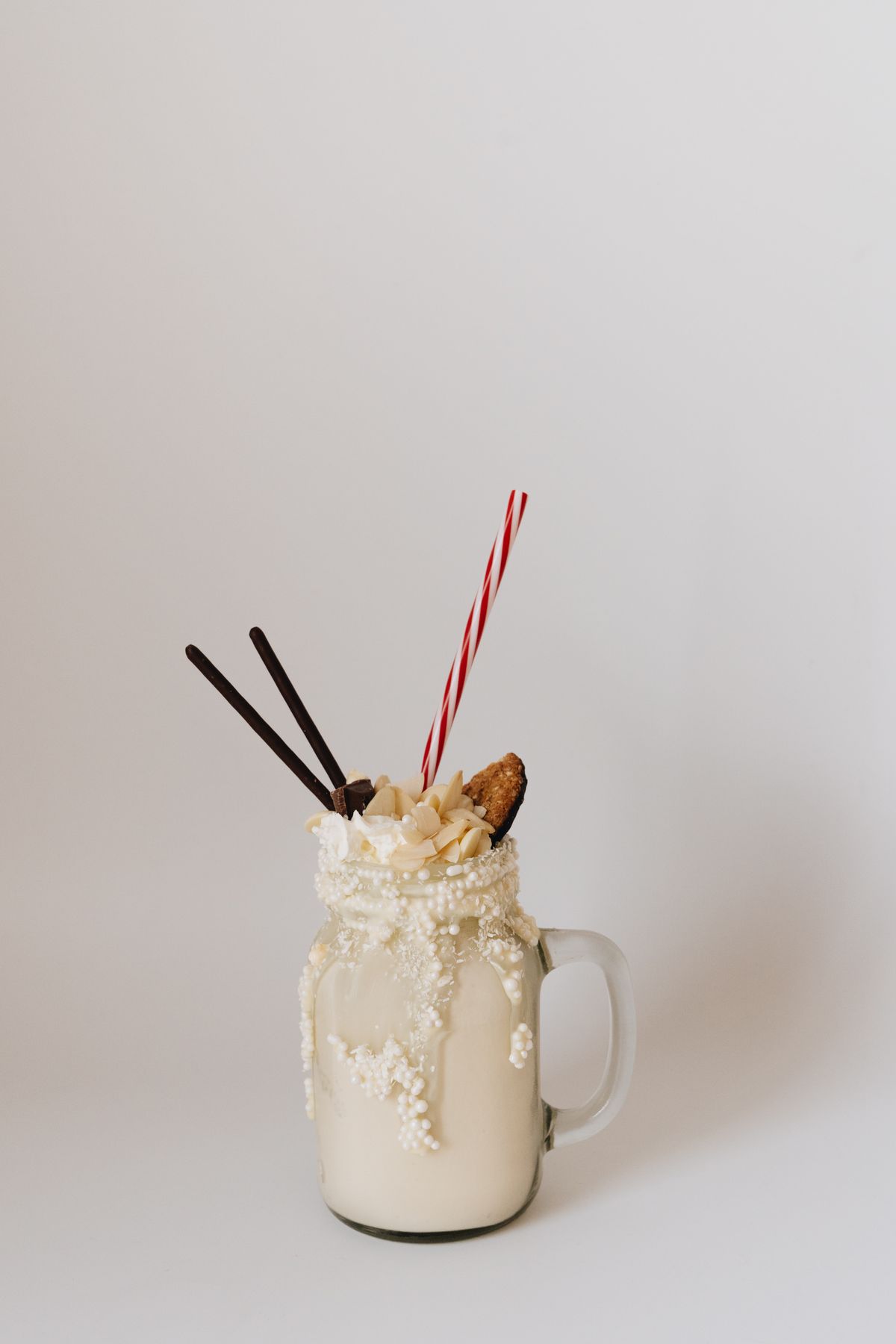
A tall narrow glass looks dramatic but can be awkward for a very thick shake or a spoon. A wider glass gives easier access to toppings and makes a modest portion feel deliberate rather than underfilled.
Leave headroom for cream or fruit instead of filling to the rim and hoping toppings balance. If the glass is very large, the answer is not automatically to double a rich shake; choose a vessel that fits the intended serving.
Organise the final minute
Bring chilled glasses out only when the blender is ready to pour. Add dry biscuit crumbs or delicate toppings after filling so they remain crisp for as long as possible. Set spoons or straws beside the glasses first.
For several servings, blend in manageable batches and keep unused ingredients cold. Leaving the first completed glasses waiting while making a large second batch will have a bigger effect than whether those glasses were chilled for five extra minutes.
When there is no room in the fridge
Use clean room-temperature glasses and focus on serving promptly. This is preferable to improvised rapid chilling that could damage unsuitable glassware. A milkshake can still be enjoyable without a frosted vessel; the difference is smaller than starting with warm milk or blending until the ice cream has melted.
For an outdoor table, keep the glasses shaded and bring the drinks out at the last moment. A hot surface or direct sun warms the serving quickly. A tray makes it easier to carry several glasses together and avoids leaving the first outside while you fetch the rest.