Read the limits before starting
A small blender may be excellent for soft fruit and milk but unsuitable for hard frozen blocks or ice. Check its instructions for permitted ingredients, maximum fill and operating time. Wattage alone does not describe every limitation.
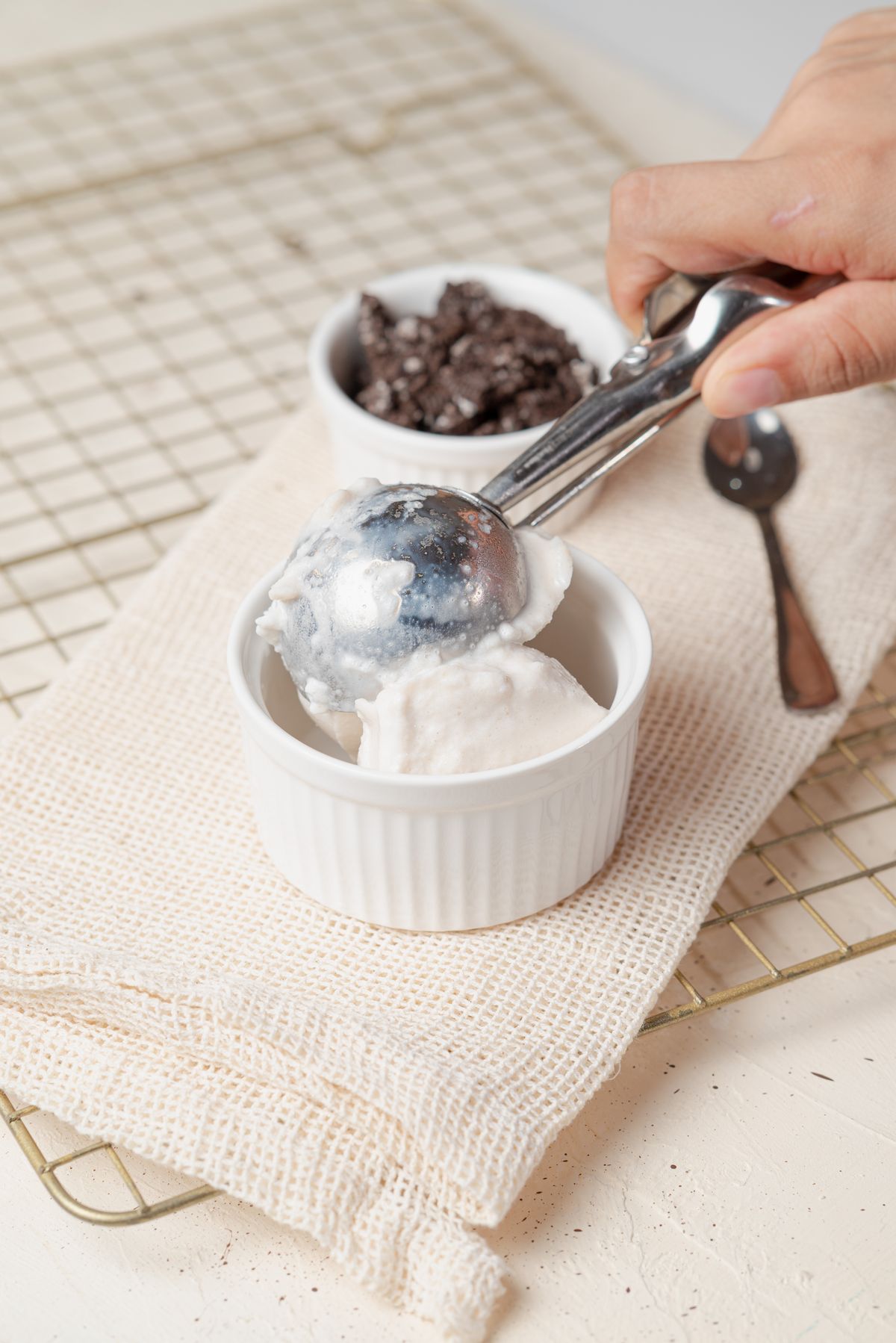
If the appliance is not designed for frozen ingredients, do not test that limit with a hard tub of ice cream. Let the measured portion become scoopable and use a recipe with soft ingredients, or choose a different preparation method.
Make the ingredients easier to move
Use several small scoops rather than one large frozen mass. Cut soft fruit into pieces and stir thick nut butter into some of the milk before blending. These steps reduce the work needed to distribute the ingredients.
For frozen fruit, allow it to soften enough for the machine's stated capability. Fully hard mango cubes and large strawberries are more demanding than a ripe banana. Do not assume a small cup can safely process them merely because they fit.
Load according to the container design
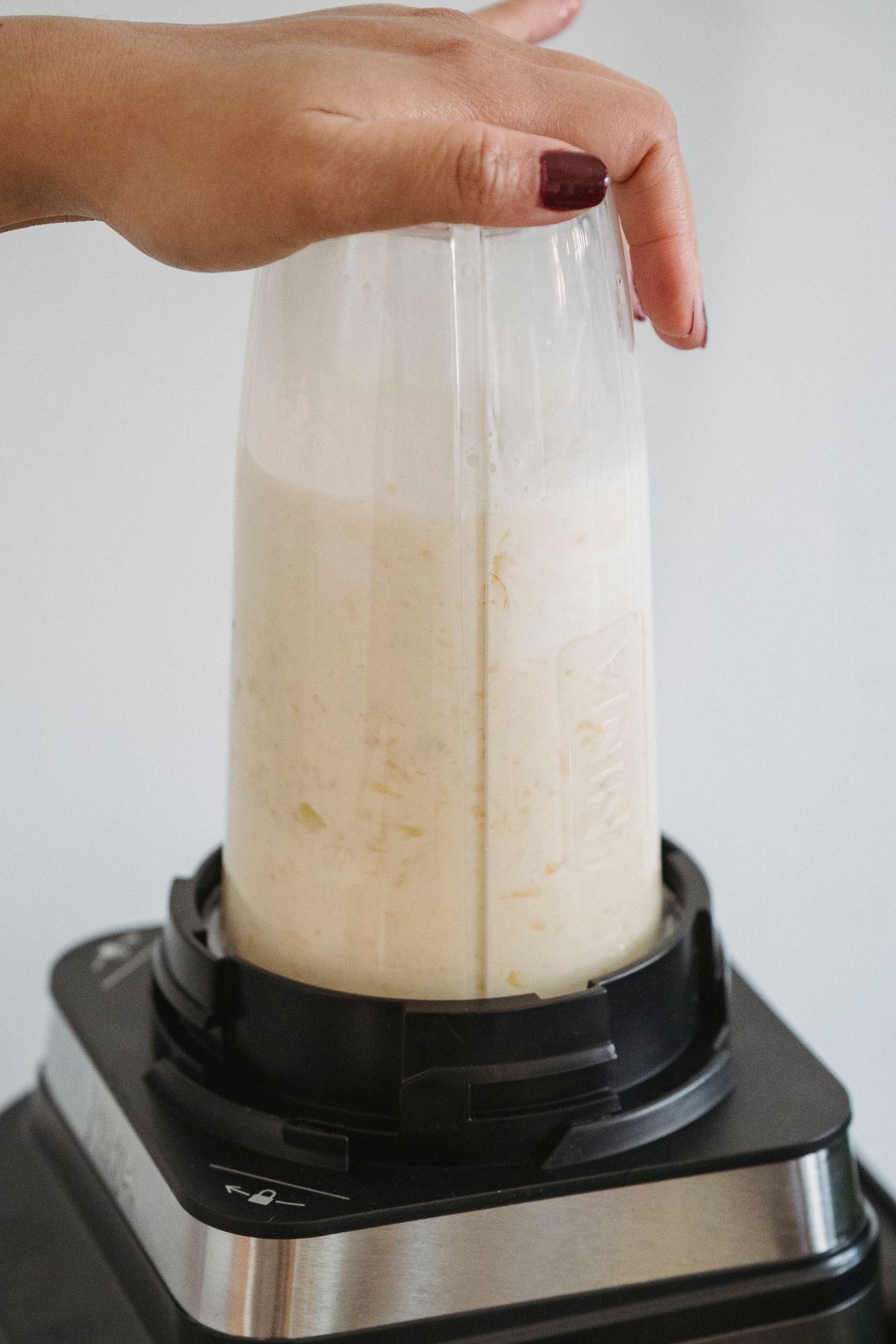
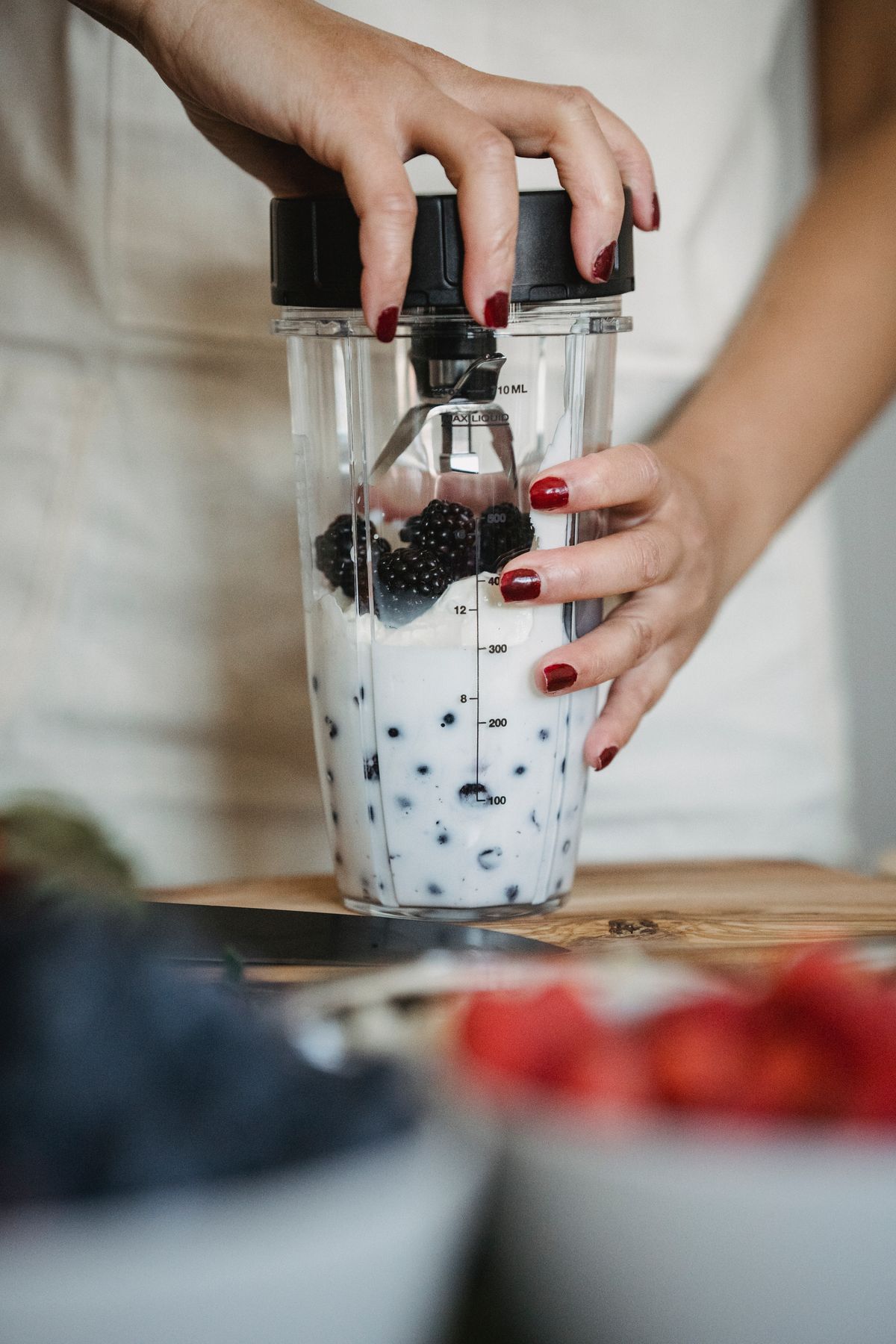
In an upright jug, liquid commonly goes first so the blades can start moving it immediately. In an inverted personal cup, the loading order may be reversed because the blade unit ends up at the bottom. Follow the manufacturer's arrangement.
Leave room for circulation. Packing ingredients tightly to the fill line can be less effective than making two small batches. Thick mixtures need working space, not just a container large enough to hold their volume.
Use short, purposeful blending
Blend only as long as needed for the ingredients to move and combine, within the appliance's duty limits. If the blades spin without pulling the mixture down, stop rather than holding the switch longer.
Switch off and unplug before redistributing ingredients with a spatula. Add cold milk by the tablespoon if the recipe genuinely needs more liquid. A large splash may restart movement but can also turn a thick shake watery.
Watch for warning signs
A straining sound, unusual smell or excessive heat is a reason to stop and consult the manual, not to increase speed. Let the machine cool as instructed. Repeatedly restarting a struggling motor is not a useful recipe technique.
Never bypass safety interlocks or hold a container in an unintended position. If the machine cannot handle the mixture within its instructions, the recipe needs a softer preparation or another tool.
Consider a hand-mixed version
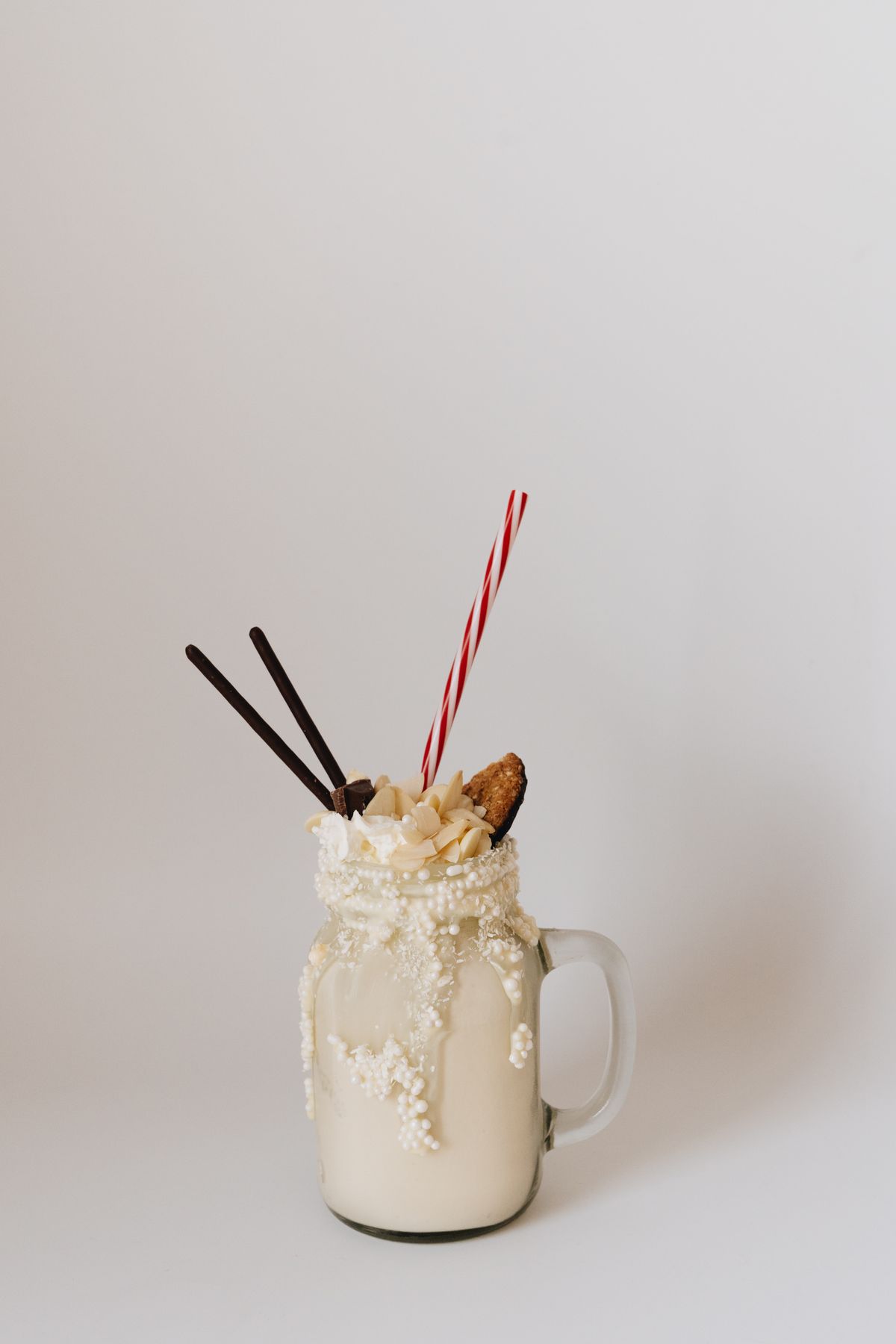
For a simple vanilla shake, scoopable ice cream can be mashed with a fork in a sturdy bowl, then loosened gradually with cold milk and whisked. The result may be less aerated and not perfectly uniform, but it avoids forcing an unsuitable machine.
This approach works best without fibrous fruit, hard chocolate pieces or large biscuit chunks. Make a plain base first, then fold in small soft additions. The aim is a pleasant drink suited to available equipment, not reproducing a commercial blender's exact texture.
Change the recipe's texture deliberately
If a small blender handles a smooth base but not chocolate chunks, grate the chocolate separately and fold it in after blending. If biscuits create a sticky mass, crush them by hand and add a little at the end. These changes preserve a useful texture without asking the machine to do every job.
A softer recipe may also be more repeatable. Fresh banana, cold milk and scoopable ice cream generally need less force than a large load of hard fruit and ice. Choose the starting recipe to match the appliance instead of assuming that a longer motor run can compensate for every ingredient.